
Flying Squirrels After Dark on Prince of Wales Island
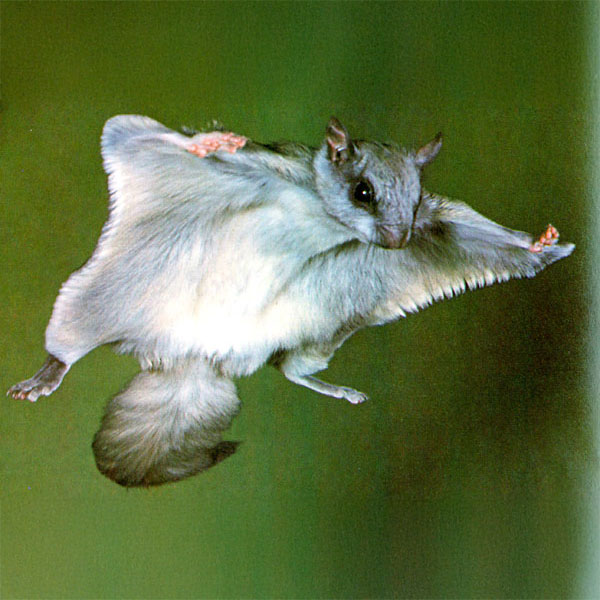
Evenings on Prince of Wales Island feel different once the light starts to fade. The forest quiets down, sounds carry farther, and small movements become easier to notice. Flying squirrels live in that in-between time. Guests rarely spot one on purpose, yet many hear a quick rustle overhead or catch a shadow gliding between trees without knowing what caused it.
Flying squirrels fit the rhythm of the island. They keep to the canopy, stay out of sight, and move with speed once night settles in. Paying attention after dinner or during a short evening walk can turn an ordinary moment into a small surprise.
Why Do Flying Squirrels Live on Prince of Wales Island?
Prince of Wales Island gives flying squirrels what they need to thrive. Dense forest cover allows them to move tree to tree without touching the ground. Old spruce and hemlock trees provide nesting spots in natural cavities and thick branches where they stay hidden during the day.
Food draws them here as well. Flying squirrels eat lichens, fungi, berries, seeds, and tree buds. Underground fungi, especially truffles, make up a large share of their diet. Damp forest floors support those food sources year-round, so feeding stays consistent.
Staying high keeps them safer. Owls, martens, and other nighttime hunters look for easy meals. Gliding between trees keeps flying squirrels out of reach and hard to track. Darkness, height, and speed give them an advantage.
Cabins, trails, and forest edges sit right inside that habitat. Guests stay close to flying squirrel territory without needing to go anywhere special.
When Flying Squirrels Are Active
Flying squirrels wait for the forest to dim before they move. Activity begins around dusk and often peaks during the first few hours after sunset. Night gives them cover and freedom to travel without exposure.
Calm evenings bring the best chances to notice activity. Windy or rainy nights carry noise that masks movement. Clear skies and still air allow small sounds to travel farther, especially in the trees near cabins and walkways.
Seasonal shifts change behavior. Summer spreads activity across longer nights. Fall brings heavier feeding as squirrels prepare for colder months, which leads to more frequent movement after dark.
What Guests Might Notice
A glide between trees can look like a shadow slipping through the canopy. Motion stays smooth and quiet, almost effortless. Soft rustling often follows when a squirrel lands on bark or branches.
Short chirps may come next, sharp and brief. Sounds fade fast, so slow movements and patient watching matter. Looking up without scanning too quickly helps catch motion before it disappears.
Signs linger even without a clear sighting. Bark flakes under trees, faint scurrying overhead, or sudden silence can signal that a flying squirrel just passed through.
Why Most People Miss Them
Flying squirrels become active when attention shifts indoors. Lights turn on, conversations pick up, and eyes focus closer to the ground. Up in the canopy, movement starts and ends quickly.
Height adds another layer of mystery. Most people watch the trail ahead, not the treetops. Flying squirrels never pause for long and never draw attention to themselves.
Bright lights make things harder to spot. Harsh lighting flattens shadows and hides subtle motion. Low light and stillness reveal more than searching ever does.
Respecting Wildlife at Night
Quiet moments work best. Soft voices, slow steps, and short pauses let natural sounds rise out of the dark. Food stays packed away so animals keep their natural habits and distance.
Standing still often reveals more than moving farther. Letting a flying squirrel pass through without interruption keeps the moment brief and real.
Many fishing days at the lodge start early. Evening settles the forest before the next morning on the water. Hearing movement overhead or catching a quick glide between trees becomes part of the rhythm, right alongside tide charts, weather checks, and plans for the next day’s run. Night on the island belongs to its wildlife, and those quiet moments are an important part of the fishing trip, even when no lines are in the water.

Support
Best Alaska Fishing
Boardwalk Lodge Supports








Our Partners